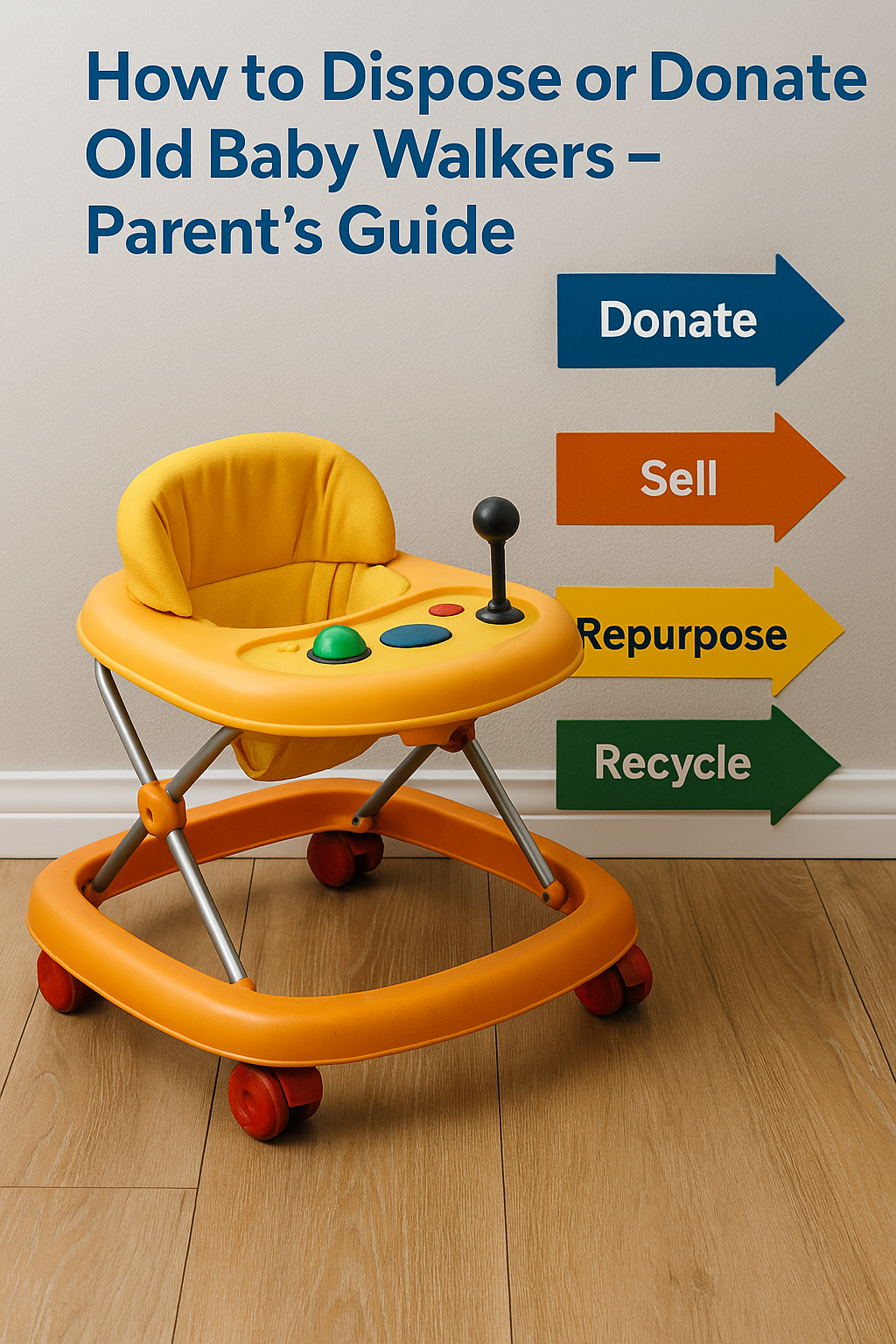
Introduction :How to Dispose or Donate Old Baby Walkers
Well, your little one has technically outgrown the baby walker now. Congratulations first of all, on achieving yet another cute parenting milestone! And now, here’s the dilemma—what to do with that old walker? Ditching it in the trash may be convenient, but there are better and more responsible alternatives to it.
Let’s stroll (pun intended!) through all of your choices—from donation to recycling, upcycling to resale. We’ll even discuss what not to do. Ready? Let’s get going!
Why You Shouldn’t Just Throw It in the Dumpster
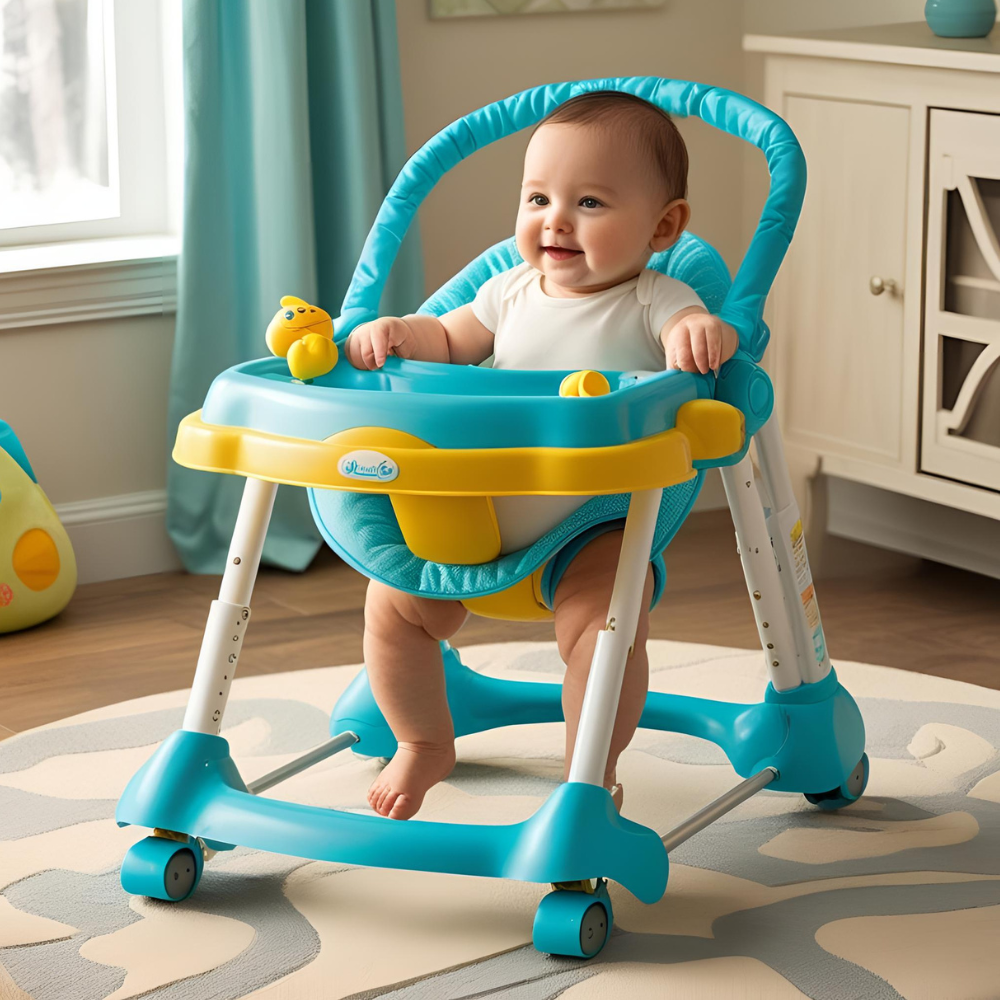
It’s easy to just set that old walker out on trash day. But here’s the thing—baby walkers have a combination of plastic, metal, and occasionally electronics, which can hurt the environment when sent to landfills.
In addition, there’s always someone somewhere who may genuinely need it. That’s good enough reason to stop and think of better ways to say goodbye to your baby walker.
First things first: check the condition.
Before you start donating, selling, or recycling that old baby walker, consider what condition it’s in. Ask yourself a few questions: Is this walker still safe, clean, and operational?
If it is still in good condition, donation or resale is a great way to extend its life and help another family. Whenever it breaks down or is out of date, recycling or creative reuse is much safer and more responsible.
Are Safety Standards Still Met?
Safety first. Check the walker carefully for any hazards or wear and tear:
- Wheels: Do these turn easily, without wobbling or jamming?
- Body and Frame: The frame is solid, there is no rust, and no cracks or sharp edges on it.
- Seat: The fabric must not have any tears nor loose stitches.
- Activity Tray or Buttons: Do musical buttons, toys, or lights still turn on/work properly?
- Safety: Look for a valid BIS mark from the Bureau of Indian Standards or similar international certification. It ensures that the product has been manufactured to meet at least the essential minimum safety requirements.
That is great; if your walker has passed these checks, then you know it is safe for a new home either through donation or resale.
Cleanliness and Overall Wear
Let’s be real: no one wants to inherit a sticky, crumb-filled walker still smelling of baby food.
- Give it a deep clean before handing it over:
- Wipe down all the surfaces with a baby-friendly, non-toxic cleaner.
- Remove as much fabric as is safely possible. If safe to do so, machine wash the item.
Use a soft, small brush or even a toothbrush to reach into small corners and joints, which may accumulate dust or crumbs. Let the walker completely air dry before packing or passing it on. It will not only look so much better this way but it is also a very kind thing to do, showing you care for the next little person who will enjoy it.
Option 1: Donate the Baby Walker
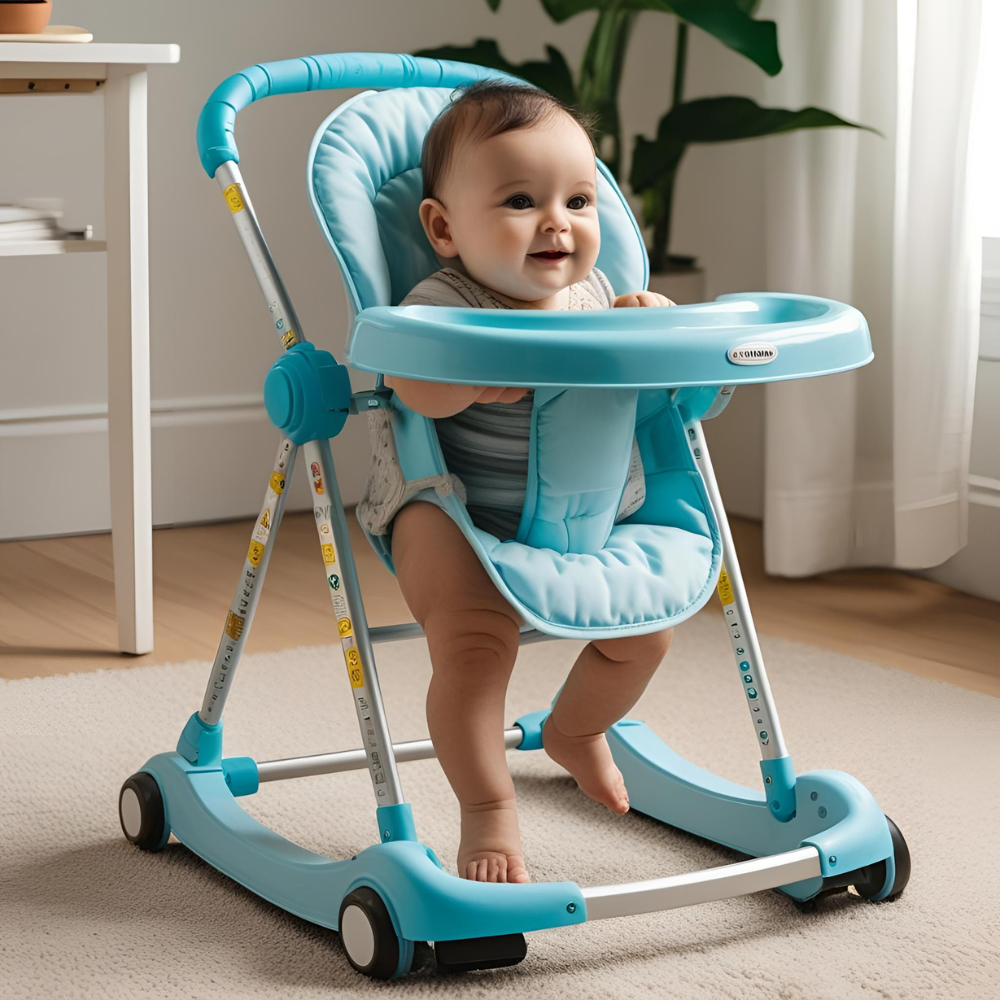
If the baby walker is in good shape, donation is one of the most wonderful options.
Where to Donate Locally
Before giving away your used baby walker, consider donating it. Countless families and organizations across the country welcome gently used baby gear like this, provided it is clean, functional, and safe. Here is how to do it thoughtfully:
NGOs & Charities That Accept Baby Gear
You can also contact locally based NGOs or charities that deal in parenting, especially underprivileged families or new mothers. Many such groups give the items to the needy families directly.
Some well-known organizations in India are:
Goonj: Operates the “Cloth for Work” program and often accepts usable household and baby items.
Save the Children: Supports children’s welfare and education. They do run donation drives every now and then.
Toy bank: This focuses on providing toys and learning materials to children from low-income groups.
Uday Foundation: Along with basic baby needs, helps in the hospital and low-income society.
Pro Tip: Many NGOs have restrictions on what they accept, due to safety/hygiene reasons. It is always better to call or email in advance to find out what they currently accept, especially with used baby walkers or strollers.
Women’s Shelters and Orphanages
Other options include women’s shelters, childcare homes, and orphanages. Most of them are involved in the upbringing of babies and toddlers who could use your donated equipment.
A well cared for walker can make all the difference between a toy and a safe interactive means for a child to build balance and coordination, while making it much easier on the caregiver in using it safely. If donating, include any user manuals or parts – such as seat covers or toy trays – that accompany the walker.
Where possible, take a few minutes to talk to the staff about what they really need. Sometimes they might prefer baby mats, clothes, or feeding essentials instead-and your visit will be even more meaningful.
Online Donation Platforms
If you can’t find a local drop-off point, you may be able to share your walker directly with families using the following online links:
OLX, Free Stuff section: Post under “Baby Products” with a decent title and condition details.
Facebook Marketplace: Post in local community groups or parenting circles, and give it away for free.
WhatsApp Groups: Most neighbourhoods have community chats, someone close by might be glad to pick it up.
Freecycle.org-India chapters: A worldwide platform for promoting free exchange of items in good condition to avoid waste. When you post your walker online to be sold, be very honest about its condition and attach some clear photos. Give a short and friendly description, something like: Secondhand but very sturdy baby walker; BIS certified, cleaned recently, and all parts work.
Happy to pass it on to a family who will love it as much as we did. And here is the icing on the cake: include a small thank-you note or good-luck note as you hand it over. It’s something simple, but many times, this gives the feeling of being very caring.
Option 2: Sell It for a Small Profit
Let’s face it: baby gear isn’t cheap. If your baby walker or stroller is in good condition, selling them is a great way to recover part of your investment while also helping another family save money. It’s a win for your wallet and for the environment.
Online Marketplaces in India, 2025 Edition
The pre-loved marketplace is gaining fast momentum in India for babies. Parents today are more open to buying secondhand-just as long as the items are clean, functional, and safe. Here are some reliable platforms you can use:
- OLX is a place where everyone can sell locally, post an ad for free, and be contacted directly by any interested person.
- Quikr – Great for quick, local deals. Options for pickup and delivery in some cities.
- Facebook Marketplace: This is one of your best bets as far as local selling is concerned. You will not have any problem finding parents in the vicinity in need of baby gear.
- CredR: Although they started with bikes, they have diversified now into baby products in metro cities. Ideal for verified, city-based transactions.
- SecondCry by FirstCry: This is the new venture of FirstCry, which is currently working in the pilot cities, offering selling/exchanging opportunities for good-condition baby gear through an assured retail network.
Pro Tip: Always check used baby gear against each platform’s policy, as some have age limits or restrictions on what kind of gear is allowed.
Online Selling Tips for Baby Walkers
If you want your listing to stand out, treat it like a mini advertisement! Parents buying secondhand baby gear care most about safety, hygiene, and value; hence, make it evident in your post.
Here’s how to make your listing stand out:
- Use bright, natural photos: Take daylight shots, shooting the walker from different angles. Close-ups of the wheels, seat, and toys will show buyers it’s in great shape.
- Write a clear and honest description: describe the brand, model, and safety certifications like BIS, ASTM, or EN. Add a small line why you are selling it: “used for 3 months, baby outgrew it.”
- Highlight the features: If it does have extras, like music, lights, detachable trays, or adjustable height, these may be plus points for your listing.
- Disclose the condition and mention minor wear or scratches. Most buyers just appreciate the honesty, and you can avoid returns this way.
- Price it fairly: You usually get 30-40% of the original MRP if your walker is in a very good condition. You can quote a little higher for a premium or imported brand.
- Meet safely: Choose public places to meet for pickup/delivery services within the platforms. Never share any personal information if it’s not necessary.
Bonus Tip: Make a friendly note in your post to the effect of: Well-loved but in great condition! Cleaned and ready for another little explorer to enjoy. It adds some warmth and trust, going a long way in the parent-to-parent selling communities.
Option 3: Get Creative with Repurposing or Upcycling
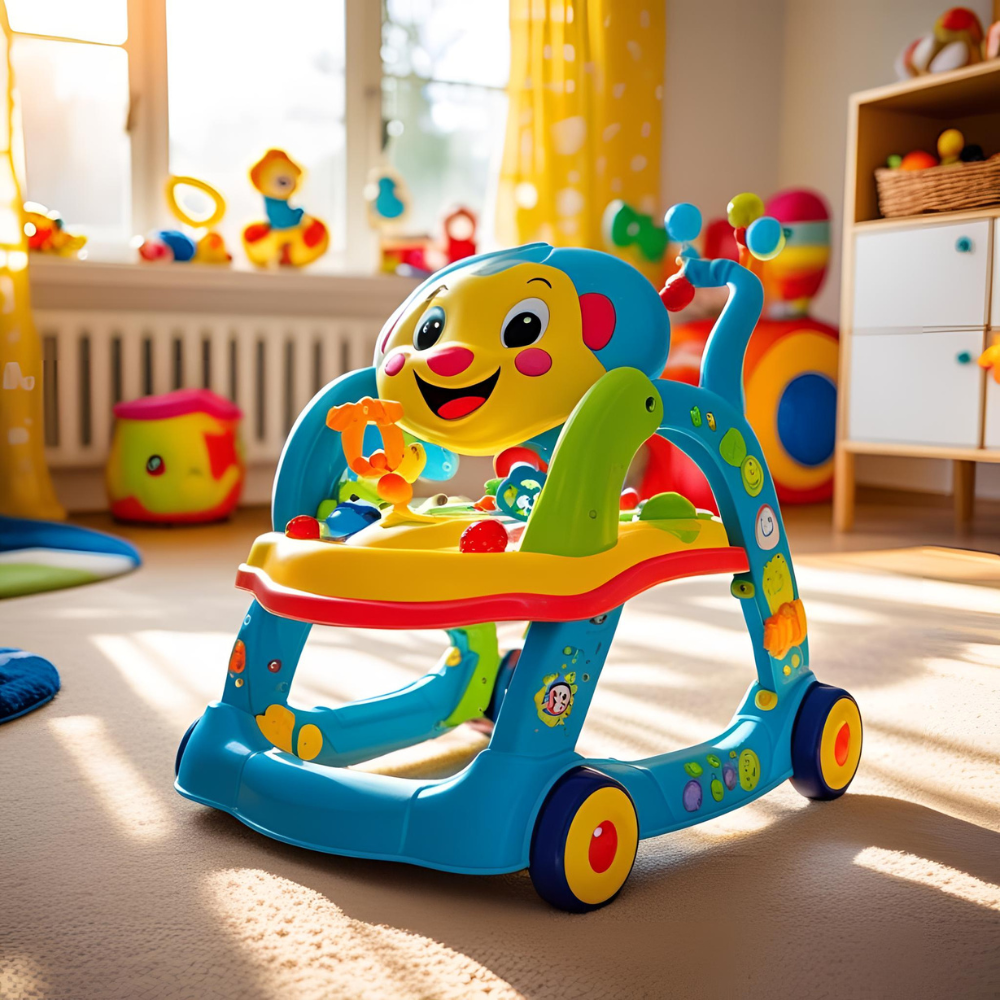
Have a broken walker or one that doesn’t adhere to safety anymore? Let’s be creative.
Turn It into a Toy Cart or Storage Unit
Just because your baby outgrew their walker doesn’t mean that they have to sit in a corner collecting dust. A little ingenuity, and that sturdy frame can turn into something new and useful around the house.
If the seat or play tray is removable, try repurposing the base into something useful:
- Toy Box on Wheels: Take the seat off, and insert inside the frame a light plastic or wooden storage container, it will serve as an excellent rolling toy chest, which toddlers can easily push along while cleaning up after play.
- Mini Book Trolley: Place the stack of your child’s favorite bedtime books in the middle and roll it next to the crib or reading nook. It’s cute, functional, and keeps storytime essentials organized in one place.
- Laundry Basket on Wheels: Attach a fabric or mesh basket inside and immediately turn it into a compact laundry cart for baby clothes. You will be surprised how much you will find this useful in moving the laundry across rooms.
Tip: Always smooth off any rough edges and make sure the converted walker doesn’t have sharp or loose parts, as safety still comes first, even for DIY projects.
Fun DIY Projects Parents Can Do
If you enjoy a bit of creativity-or weekend DIY projects, an old walker can be the perfect canvas. Some parents have given their baby’s walker a second life in the most delightful ways:
- Doll Stroller Makeover: Repaint the frame in jolly colors, add a tiny fabric seat, and voila-your toddler may use it for their dolls or stuffed animals. It’s a hit for pretend play!
- Pet Feeding Station: Remove the seat and tray, then fit in two bowls — one for food and one for water. Its height is perfect for small dogs or cats, and the wheels make it easy to move around.
- Planter Stand: If you love gardening, use the base for a quirky indoor planter stand. You can paint it to fit your interior and use it to show small potted plants-a nice, eco-friendly reminder of your baby’s early years.
These little projects are not only creative but also sustainable, helping you reduce waste while holding on to a sentimental piece of your baby’s journey. Plus, they make for great conversation pieces or even handmade gifts!
Pinterest is your best friend here—go crazy!
Option 4: Recycle Responsibly
When it’s really beyond use, recycling is the environmentally friendly choice.
Identifying Recyclable Materials
Before tossing that old baby walker into the trash, take a look at how much of it you can recycle. Most modern day walkers have a combination of plastic and metal components, many with small electronic parts to be responsibly separated and reused.
Take the walker apart carefully, using a screwdriver or wrench.
Plastic Frame:
Most recycling codes are found on the bottom or imprinted into the plastic. Some common markings include “5” for Polypropylene-PP and “7” for Other plastics.
- Code 5 plastics are commonly recycled throughout India, so most municipal recycling programs will accept them.
- Codes 7 plastics require specialized services in order to be recycled.
Metal screws, springs, or rods
- These are considered scrap metal and thus can be sold or dropped off to local scrap dealers. Most will take even small quantities, especially if you bundle them together with other metal items like old utensils or wires.
Wheels and Musical Panels:
- These normally consist of various materials: plastic, rubber, and sometimes electronic circuits. Whether they can be recycled depends upon their composition:
- Wheels of either rubber or hard plastic could go to plastic recyclers.
- Small circuits and batteries make toys with electronic panels or those that light up, electronic waste that have to be disposed of like so.
- Pro Tip: Taking pictures as one disassembles will often help in sorting the pieces afterward, or possibly reusing them in some other DIY project.
Reaching Out to Local Recycling Centres
Reach out to the recycling facilities nearest to you Now that you have separated the materials, the next thing is to find out where each goes. Some cities have different recycling programs in place, so you might want to check quickly before you pack everything up. Here’s how to find the right
- facility: Call your local municipality or waste management office and ask if they have collections for plastic or mixed-material baby items. Many cities, such as Bengaluru or Pune, have a segregated waste collection system that includes hard plastics.
- Try these keywords on Google: “Plastic recycling center near me” Scrap metal collection for household items E-waste disposal for toys or baby
- products Partner with Eco-Groups: Some non-profit organisations and green start-ups, such as Saahas Zero Waste, Paperman, or Recycle India Foundation, facilitate the collection or responsible recycling of mixed baby products.
- E-Waste Pickups: If your walker has lights, sound modules, or batteries, treat them as e-waste.
Some places in India have now introduced doorstep recycling collections, particularly in metro towns. if you are looking for ecofriendly options check out our article 5 Best Wooden Baby Walker Toys in India – Eco-Friendly Picks
What to Avoid When Disposing a Baby Walker
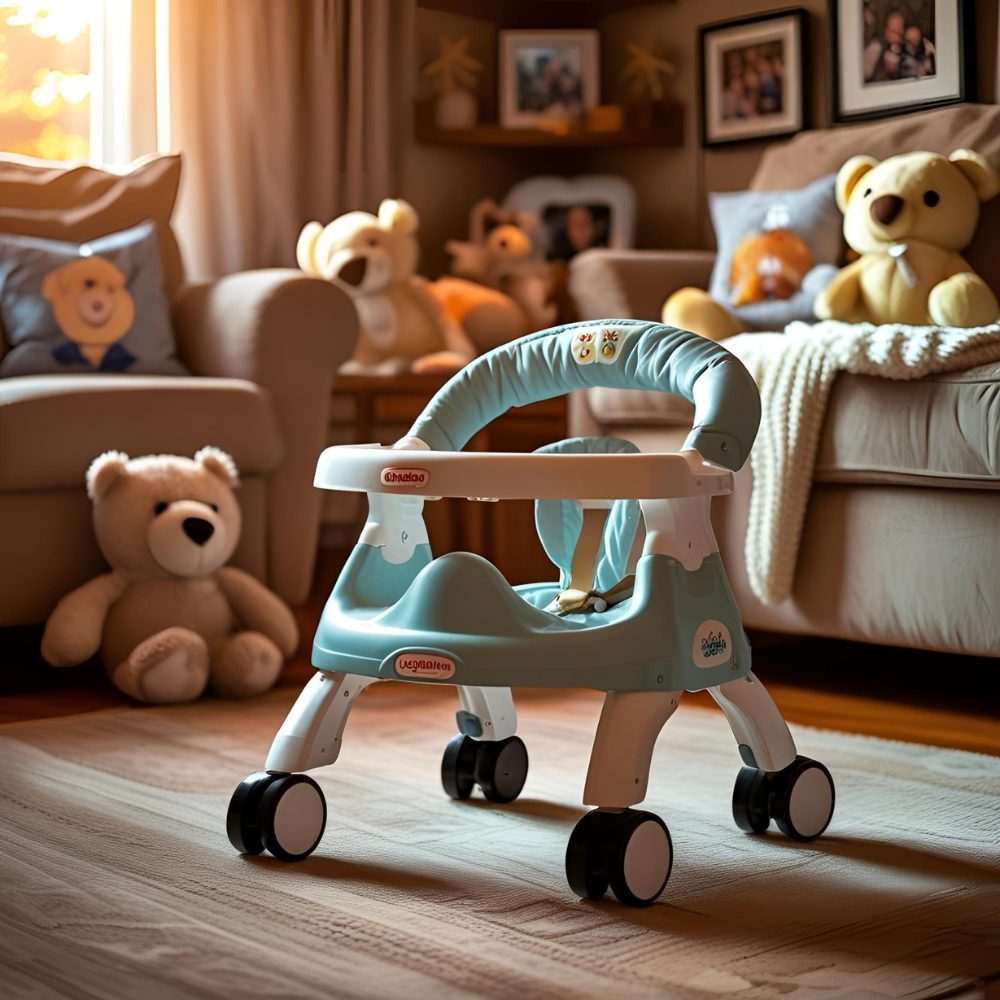
Doing the right thing also involves not doing the wrong ones. Here’s what not to do:
Don’t Throw in Landfills or Roadsides
Other than being prohibited in most cities, it’s simply… uncool. Baby equipment is not biodegradable and contributes to the plastic pollution problem.
Don’t Give Away Broken Walkers
Even if somebody is willing to take it, it’s not safe. A broken walker can cause accidents. Safety first always.
Why Proper Disposal or Donation Is Important
Every decision you make as a parent makes a statement. When you decide to donate, recycle, or upcycle instead of dumping, you’re modeling for your child the importance of kindness, sustainability, and responsibility.
It’s not about cleaning out your house—it’s about leaving the world a better place behind for your little one.
FAQs – How to Dispose or Donate Old Baby Walkers
1.Can I donate a used baby walker with some minor scratches or fading of paint?
Yes, provided that the walker is safe and works. Minor wear and tear is okay—just be truthful with the recipient.
2.Are there any organizations that do pickup for baby gear donations in India?
There are some NGOs and local donation groups that pick up within metro cities. Contact Goonj or your city’s parenting communities.
3.My baby walker has damaged parts. Can I recycle it?
Yes. Break it up and recycle the recyclable parts (metal, plastic, electronics) to their respective facilities.
4.Is it safe to donate used walkers during or after a pandemic?
Yes, but clean it well and sanitize it as much as possible prior to donation. Many organizations will also do a secondary cleaning.
5.Can baby walkers be repurposed for toddlers or pets?
Not for use while walking, but individual components are salvageable to create creative DIY projects such as pet feeding stations or toy scooters!