Introduction: Should You Really Use a Walker for 3-Month-Old Baby?
The notion of a walker for 3-month-old baby may sound appealing on the surface. Your baby is adorable, full of energy, and beginning to move their legs — looks like the ideal time to start them rolling, does it not? Not really. Let’s dive into the reality of using walkers during this sensitive phase of growth.
Understanding Your Baby’s Development at 3 Months
What Can a 3-Month-Old Really Do?
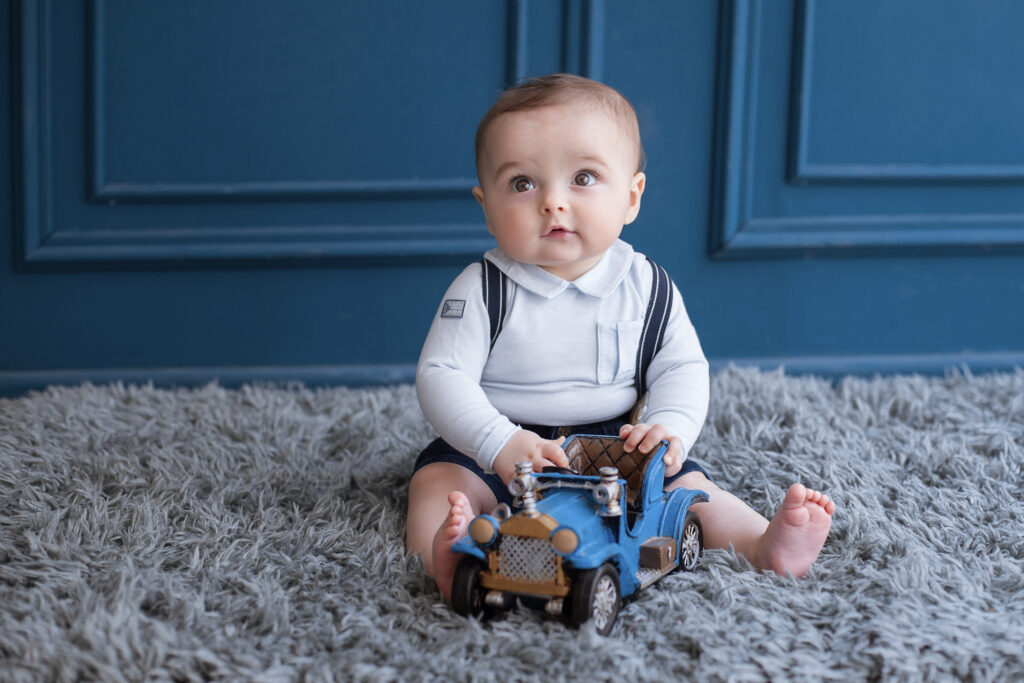
This age is all about babies discovering their world and their bodies — with not a lot of mobility to speak of. They can:
- Lift their head for a moment or two while on their tummies
- Flail their arms and legs wildly
- Start tracking objects with their eyes
But “walking” is still light-years off.
Physical Milestones at This Stage
Three month old babies keep building strength in their neck muscles along with their backs and cores. They can lift their heads for just a short time when they are on their tummies. These little ones do not have complete control or balance yet. If you put a baby that young into an upright spot in a walker it could strain the growing muscles and even the spine. Floor play and tummy time sessions turn out to be the better choice in the end. Those kinds of activities help build strength in a way that suits the child more naturally.
What Is a Baby Walker and How Does It Work?
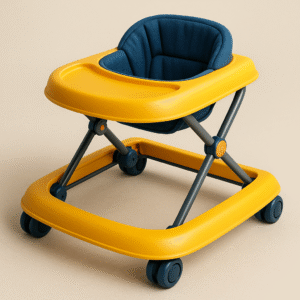
A baby walker has a frame on wheels with a seat built right in for the child. It lets babies push off the floor using their feet and scoot around the room. Some versions come with added things like lights or sounds and toys that hang on to keep the baby interested. Walkers might seem helpful starting from the very beginning. The truth is they do not really teach babies how to walk properly. They only give quick moments of movement when the body is not ready at all. Putting a three month old into that standing position with a walker just brings up safety issues. The muscle control stays pretty limited in those early weeks.
Common Types of Baby Walkers
Seated walkers – Seated walkers allow babies to sit and move forward by kicking their feet against the ground. Those fit best for babies who are at least six months old.
Push walkers – Push walkers mean the baby has to stand and steer the thing while parents follow close by.
You should hold off until the child can stand on their own and keep balance without falling. None of these walker types work for a three month old baby. That stage just does not have the strength or steadiness needed for standing up in any way.
How Baby Walkers Are Supposed to Help
Many think that walkers assist babies in learning to walk earlier. In fact, they only provide mobility before a baby is developmentally ready — particularly risky in the case of a walker for 3-month-old baby.
Why a Walker for 3-Month-Old Baby Is Not Recommended
Insufficient Strength of Neck and Core Muscles
At 3 months, babies are still in the process of developing muscles to hold their head and body straight, with the use of a walker placing them in an unnatural position for which their body is not prepared. It also puts a strain on the spine, slowing down their physical development in the process. The time one should consider getting any upright equipment for the baby is when the baby can sit and hold their head steady.
Increased Risk of Injury
Walkers are associated with many baby-related injuries, including falls, collisions, and tipping accidents-especially around stairs and corners. Since a 3-month-old can’t control movement or balance, even a minor fall could be serious. For infants, stationary activity centers or supervised floor play are much safer alternatives.
Are baby walkers safe for new-borns or infants?
No, walkers are never recommended for babies who cannot sit or support their heads themselves because their bodies are not ready for such activity. To know more detailly check out our article are baby walkers safe for newborns or infants?
False Sense of Mobility
Walkers can make your baby appear like they are “walking,” when in fact, they are pushing with their toes without learning balance or any coordination. It may cause delays in both crawling and walking milestones since a baby relies on the walker instead of using their own muscles.
What Do Pediatricians and Experts Say?
Official Recommendations by Health Authorities
The American Academy of Pediatrics and other leading medical organizations strongly advise against the use of baby walkers, especially for infants under 6 months of age. According to the American Academy of Pediatrics, walkers do not provide any aid for infants in learning to walk and are quite dangerous in terms of safety and for overall child development. Walkers can move along very fast-sometimes up to 3 feet per second-making it easy for a baby to reach hazards before a caregiver can react.
Indeed, some nations have taken solid steps in this respect: Canada has completely banned the sale and importation of baby walkers due to their high incidence of injury without any developmental benefits. Health agencies now encourage parents to replace these with either a stationary activity center or a play mat that encourages safe movement and natural motor growth.
Real Opinions from Paediatricians
The majority of paediatricians share one opinion that baby walkers for a 3-month-old infant are totally unnecessary, not to mention dangerous. At this age, what babies need is tummy time and playing on the floor, not some gadget that lets them glide before they can support their weight or have the coordination for it.
Doctors explain that walkers give a false sense of progress because babies appear to be moving under their own power, when in fact they aren’t developing the balance and muscle control they need to walk. Paediatric experts consistently recommend focusing on natural milestones like rolling, crawling, and standing rather than rushing mobility with some artificial support.
Possible Risks of Walking Too Early – walker for 3-month-old baby
Falls and Accidents
These can also lead to serious injuries even if the infant is being closely watched. Because they move so fast and may roll on uneven floors, babies fall over, bump into furniture, or reach areas that make them vulnerable to accidents, including stairs and sharp edges. A 3-month-old baby is especially more vulnerable to injury because they lack the reflexes, balance, and muscular control necessary to move themselves into a safer position as they are falling. Injuries may range from minor bruises to more serious head and neck trauma. This is why experts stress that walkers should never be used with babies who cannot yet sit or hold their own head up.
Delayed Development
walkers don’t help babies walk sooner; they may even delay these important motor milestones. It has been noted in studies that babies who spend too much time in walkers might crawl, stand, and walk later than babies who develop on the floor naturally. This happens because the walker supports much of the baby’s weight, not allowing the muscles of the legs, hips, and core to strengthen properly. In the walker, babies tend to push with their toes instead of learning balance and coordination through crawling and standing-two key steps in walking development.
Dependence on Devices
When babies start depending on gadgets like walkers too early in life, they miss out on the opportunity to develop strength, balance, and coordination through natural processes. They do not move themselves on their muscles but instead lean on the supporting frames of the walkers. Over a period of time, this might result in weaker core and leg muscles and might also affect posture. During these initial months, the only thing that babies need is the ability to move freely on the floor so that they can explore safely, stretch, roll, and strengthen their bodies on their own.
Other Alternatives to Promote Movement
Tummy Time
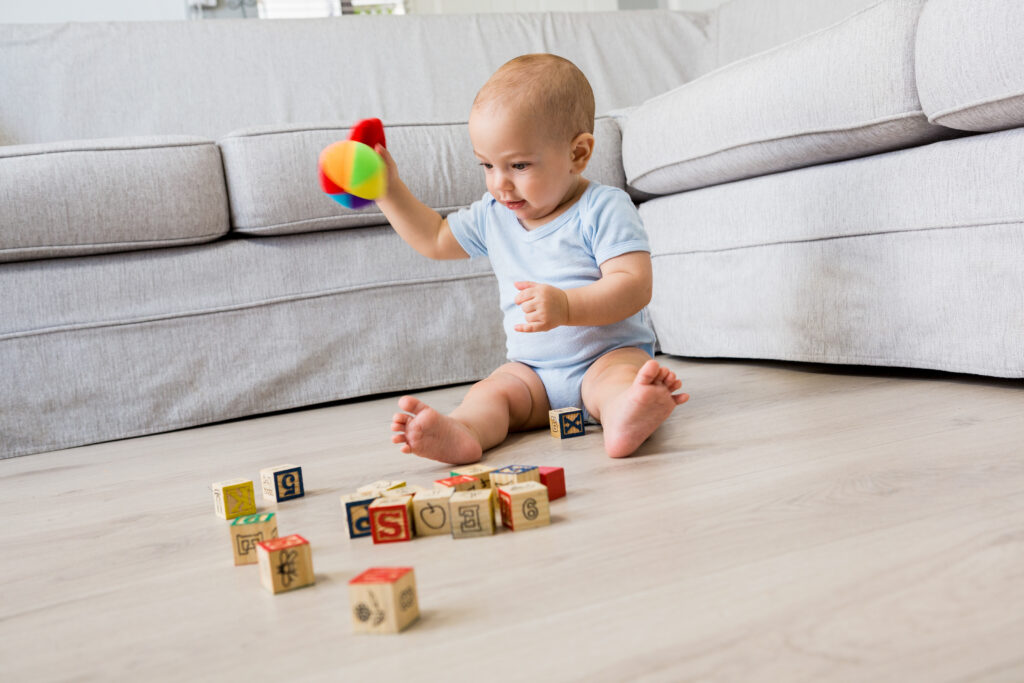
One of the most important things for young babies to spend time on is tummy time. This will build up the muscles that lead to crawling and sitting later on: neck, shoulders, arms, and core. Start them off with just a few minutes a couple of times a day and build up their endurance while they get comfortable. You make tummy time fun by lying next to your baby on the floor, placing soft toys or a mirror in reach, and smiling at them while encouraging them with soft words. Exercise then turns into play and a moment of bonding.
Play Gyms and Floor Mats
Play gyms and padded floor mats are excellent, safe alternatives to walkers. They allow babies the space for free movement, stretching, and exploration at their own pace. Colourful toys, hanging rattles, and textures on these play mats stimulate the senses, besides helping develop hand-eye coordination and gross motor skills. Since your baby stays flat on the ground, there is no fear of tipping or falling. These setups give them the opportunity for reaching, rolling, and kicking-natural steps toward crawling.
Parent Interaction and Supervised Play
Nothing replaces the place of your interaction. Talking, singing, playing peek-a-boo stimulates the brain and body of a baby. A baby loves to hear the sound of your voice and watch facial expressions; it keeps them enamoured and makes them move. Simple things, like holding them gently by their hands while kicking or letting them grasp any of your fingers, improve coordination and muscle control. The best thing about it? These moments create connection and attachment, along with great development.
When Is the Right Time to Introduce a Walker (If at All)?
Ideal Age and Physical Readiness
If you ever think about using a walker (and that’s a big if), wait until your baby is able to:
- Sit alone
- Support the neck with confidence
- Express a desire to walk by pulling to stand
That typically occurs around 6 to 9 months, not 3 months.
Signs Your Baby Could Be Getting Ready
- Crawling deliberately
- Pulling themselves up on furniture
- Standing with help
Until then, wait — especially on any walker for 3-month-old baby.
Safer Alternatives to a Walker for 3-Month-Old Baby
Push Walkers
The push walkers target babies who are old enough to have acquired the readiness to walk, typically from 9 months and above, pulling themselves up, cruising along furniture, or even standing with support. Contrary to the traditional seated walkers, push walkers foster natural walking mechanics by encouraging babies to balance themselves and take real steps behind the toy. They strengthen the muscles in their legs and core while enhancing coordination and confidence. Most push walkers also offer interactive toys, music, and lights, making the practice of walking a time for play. If you want to learn more , check out our article best push walkers for babies in India in 2025
Stationary Activity Centers
Stationary activity centres make great alternatives to baby walkers, offering fun without movement risks. There are no wheels to allow rolling or tipping over, so these models work great for safe, supervised play. Many of these centres have spinning seats, bouncing mechanisms, and an array of toys that amuse babies while helping them develop their upper body and leg muscles. Babies love to bounce, twist, and reach for toys-all from one spot. They’re also good for babies learning to sit or just starting to bear weight on their legs.
Baby Jumpers (with moderation)
Baby jumpers can be great fun if used in moderation and under supervision. They let the baby jump around safely while strengthening his legs and core muscles, with the rhythmic motion even helping improve balance and coordination. But, as a general reminder, jumpers can never replace floor time or free movement because babies still need enough time to roll, stretch, and explore naturally. Limit sessions in jumpers at about 15–20 minutes at a time and always ensure your baby stays within your reach and comfortable.
What Should You Avoid at 3 Months?
Unsupported Sitting
At 3 months, your baby’s spine, neck, and back muscles are still in development. They can briefly raise their head while on tummy time but just have not developed the strength and balance to sit upright independently. Putting a baby into a sitting position too early-even with cushions or props-can put unnecessary pressure on the spine and hips that may cause discomfort and slow natural development. To avoid placing unnecessary stress on your baby’s spine and hips, which may be uncomfortable and interfere with natural development, always support your baby’s upper body when holding them and provide plenty of tummy time, which strengthens the muscles they will later use for sitting.
Equipment That Encourages Upright Posture Too Early
Equipment That Encourages Upright Posture Too Early Do not use any equipment that props up your baby into a sitting or upright position before their body is ready. This includes baby walkers, jumpers, activity seats, or bolster pillows intended to keep babies in a sitting position. However fun or easy these may seem, they conflict with natural motor development because a baby’s muscles are not ready for the support these devices give them. Babies need to learn to roll and push up and to sit at their own pace, which happens through free movements on the floor rather than through placing them in devices that make them appear more advanced.
Conclusion – Walker for 3-Month-Old Baby
All parents desire the best for their infant. Walkers might seem like a hip shortcut to walking, but they’re not. Particularly not for a 3-month-old. Prioritize tummy time, play, and bonding instead. Walking will arrive — normally, in safety, and just in time.
FAQs – Walker for 3-Month-Old Baby
1.Can I use a walker on 3-month-old baby if I monitor them every second?
Even with supervision, it is too risky. The baby’s body just isn’t ready for upright movement yet.
2.Is there a walker designed for 3-month-olds?
There is no safe or developmentally appropriate walker for a baby this age.
3.How can I engage my 3-month-old without a walker?
Try a play mat, bright toys, soothing music, and your presence — your baby needs interaction more than mobility.
4.Do walkers actually delay walking?
Yes, walkers can disrupt natural muscle growth and coordination, postponing key milestones.
5.What is the optimal age to use a walker, if at all?
About 8–10 months, only if your baby can sit up, stand with support, and is being closely supervised.